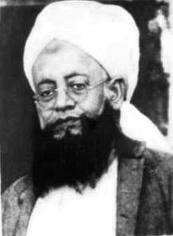
Composite Nationalism: Shaykh Husain Ahmad Madani

Shaykh Husain Ahmad Madani (1879-1957) “may well have had made the most influential and significant intervention in religious thought of any Islamic scholar of twentieth century India…The importance of his writings lies in the fact that he laid down in uncompromising terms, the Islamic sanction for Muslims to live with non-Muslims in a shared polity and specifically, to embrace the secular democracy of a state like India (Metcalf: 2005: 23-24).

Shaykh Madani states: “The Prophet Muhammad, Allah bless him and give him peace, in the fourteenth year of his prophethood, formed a united front between the Companions and the resident Jews of Medinah based on a written constitution that brought them together as one nation against their common enemy. Continue reading →
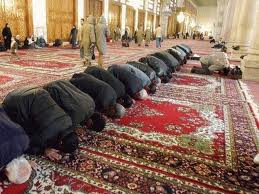
Shah Waliullah: The Benefits of Congregational Prayer

“To save the people from fatal effects that their own customs and rituals can bring them, there is nothing more useful than to make one of the religious services so common a custom and so public a ritual that it may be performed open before everybody by any person; whether he be learned or illiterate. Townfolk and countrymen should both be equally anxious to observe it. It should become a subject of rivalry and pride among all of them, and it should be so universally practised that it becomes a part and parcel of their social setup, so much so that life without it maybe worthless for them. If this is achieved, it will help in establishing the worship and obedience of Allah and will form a very useful substitute for those rituals and customs which could cause them serious harm. Since ritual Prayer is the only religious observance that surpasses all others in importance and universality, attested by both reason and scripture, it becomes therefore absolutely necessary to get it established universally by propagating it and by arranging special congregations. Continue reading →

The Fundamentals of Language: Parental Pedagogy

Parents have a responsibility to ensure that their children get the best education possible. Fundamental amongst the preliminaries of education is language.  Language is the basis of all communication and doing it correctly requires training. Therefore, talking to the child in proper meaningful sentences is the first step. Similarly, reading books out loud to your child helps building language skills, even before the child can speak. When you go about you daily chores, explain what your doing to him/her e.g. ‘I’m now chopping the onions’, ‘I’m going to the cereals aisle to buy some Corn Flakes’. Encourage the child to speak by asking questions ‘What am I doing now?‘, ‘What do I need to bake a cake?’ etc.

Continue reading →

Mortimer Adler on How to Read a Book

Mortimer Adler is one of my favourite twentieth century philosophers. My encounter with his writings began with his best selling ‘How to Read a Book’ first published in 1940. Since then, (not in 1940) I have collected any book of his that I can get my hands on. My annual trip to Haye-on-Wye has Mortimer Adler on the top of my book list and many others are in my Amazon wish list. I wrote the following as a handout for a class I gave on ‘How to Read a Book’ and I reproduce it here for the benefit of all. Continue reading →

What Every Child Should Be Able To Do by 12 Years of Age

“When you have to do one of the following chores, invite your child to help – let him or her watch as you demonstrate, then have a go. Give plenty of praise for effort and progress. Next time it crops up, invite your child to help again, and this time to do a little more. Give lots more praise. Eventually, you can hand over the task. But don’t rush at it – it’s not a race – and don’t get impatient if your child takes a long time to acquire the skill. Just enjoy the oppurtunity to spend time together. Continue reading →